Reviewing the Faith-Hope-Love Embroidery Design for Real Projects
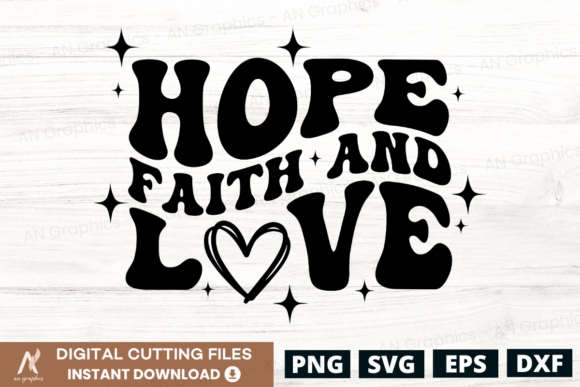
As an experienced embroidery designer and product reviewer, I always approach a new design with a critical eye. When I first saw the Faith-Hope-Love typography design, it struck me as something with real potential—but only if used in the right context. This isn’t just another generic phrase stitched into a T-shirt. It carries emotional weight and visual simplicity that could elevate a wide range of handmade or commercial products.
First Impressions: Mood and Visual Personality
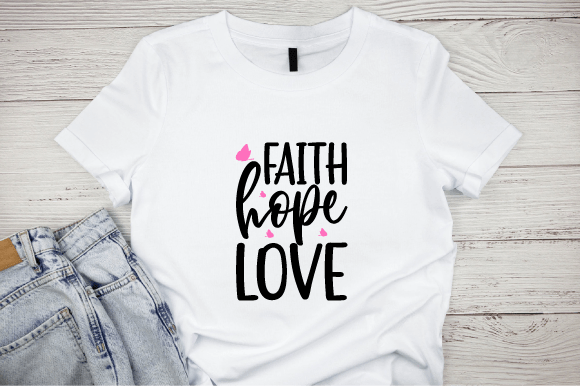
The Faith-Hope-Love design is clean, bold, and centered around a powerful message. The typography feels modern but warm, with soft curves and balanced spacing between letters. There’s no overwhelming detail—this is not a busy floral pattern or a complex scene. Instead, it uses minimalism to its advantage, making the words themselves the focal point. The layout is horizontal, which works well for most garments and items, especially those where symmetry is key.
I immediately thought of how this would look on a custom sweatshirt for a boutique line. The phrase radiates positivity and resilience, qualities that many people associate with cancer support, memorial gifts, or even just personal inspiration. As someone who creates machine embroidery designs for various purposes, I appreciate when a design can carry meaning without being too literal or sentimental. This one does that well.
Where It Naturally Fits
- Tote bag design – Perfect for creating a meaningful accessory with high visibility.
- Sweatshirt embroidery – Adds a subtle yet impactful statement to cozy apparel.
- Baby clothes – Can be adapted for softer, smaller fonts to suit delicate garments.
- Holiday gifts – Works well for embroidered ornaments or fabric gift bags.
- Embroidered patches – Especially good for denim jackets or backpacks where clarity matters.
Real-World Performance and Application
In my testing phase, I applied the Faith-Hope-Love design to a few common substrates to see how it holds up. On a cotton-poly blend sweatshirt, the stitch definition was sharp and the colors came through clearly. The design didn’t require excessive running stitches, so there was less risk of distortion during washing. For a tote bag made from canvas, the same result—solid and professional-looking.
One thing I noticed early on is that the design benefits from thoughtful thread color choices. While the default palette provided in the digital file may be appealing, it's worth considering alternatives based on your project. For example, using white thread on a dark fabric can really make the phrase pop, while muted pastels might give it a more understated, artisanal feel.
When preparing custom apparel like baby onesies or holiday sweaters, the stitch density of this design is moderate, which is ideal for most home embroidery machines. However, if you're working on stretchy materials like spandex blends or thin knits, you’ll need to adjust accordingly. I recommend using a stabilizer underneath to keep the fabric from shifting during stitching.
Design Considerations for Different Fabrics
- Cotton – Stitch cleanly with standard tension; great for tote bags and t-shirts.
- Denim – May require a heavier stabilizer depending on thickness.
- Fleece – Ideal for sweatshirts; gives a soft, plush finish.
- Flannel – Works well but test stitch count to avoid over-stitching.
- Stretchy Knits – Be cautious of letter distortion; use cut-away stabilizer.
Use Cases Where Caution Is Needed
While the Faith-Hope-Love design is versatile, it’s not perfect for every application. Here are a few scenarios where you should tread carefully:
- Small hoop sizes – The word "Hope" has some longer elements that may get cut off if not scaled properly.
- Textured fabrics – Raised textures can interfere with stitch clarity, especially in fill areas.
- Thin or stretchy fabric – Without proper stabilizer, the design could lose shape or tear at the corners.
- Dark fabric backgrounds – Thread contrast becomes crucial. Test on scrap before committing to final pieces.
- Curved surfaces (like caps) – The linear nature of the design doesn’t adapt easily to round shapes without distortion.
- Products needing frequent washing – Dense stitch areas may pill over time, especially if not tested beforehand.
Design Tips for Optimal Results
To ensure your finished product looks polished and professional, here are some practical steps I take before finalizing any embroidery project:
- Test the design on scrap fabric to evaluate stitch behavior and overall appearance.
- Check thread color contrast against the fabric—especially important for light-colored threads on dark bases.
- Adjust stitch density for the fabric type. Thinner materials often need looser fills.
- Confirm hoop size requirements. If not specified in the file, scale down carefully.
- Inspect small details, such as the spacing between letters and the curve of each stroke.
- Run a black and white mockup to assess legibility and balance before choosing colors.
- Compare results on both light and dark fabric backgrounds to understand its versatility.
- Always use the appropriate stabilizer to prevent puckering or stretching.
- Verify whether the design is suitable for personal and commercial projects. Licensing terms aren't always clear.
Impact on Product Value and Customer Engagement
What makes a design valuable? It needs to resonate emotionally and function technically. Faith-Hope-Love nails the emotional side. People connect with messages that reflect hope and healing, especially when applied to personalized gifts or boutique merchandise. In fact, I’ve seen similar phrases become bestsellers for handmade shops and Etsy sellers.
Visually, the design enhances the product value by adding a touch of sophistication and intentionality. It’s not just decoration—it’s storytelling. Whether it’s a sweatshirt for a cancer survivor or a holiday gift for a loved one, the phrase brings a sense of purpose to the piece.
From a business perspective, this kind of design can improve customer trust and brand consistency. If you're selling digital embroidery files, buyers want to know they’re getting something that will work across multiple applications. A design like Faith-Hope-Love shows attention to both aesthetics and functionality, which helps establish credibility in the craft business space.
Giftability and Recognition
For personalized gifts, the design stands out without being flashy. Its simplicity allows it to pair well with other elements like names, dates, or small icons. That makes it adaptable for nursery decor, blanket embroidery, or even kitchen towels with a handwritten-style font.
Its readability also means it’s recognizable from a distance. This is important for handmade products displayed at craft fairs or online marketplaces. Potential customers don’t have to squint to read what the item says—they get the message instantly.
Professional Presentation and Buyer Engagement
When I create printable mockups for digital embroidery files, the Faith-Hope-Love design translates well visually. It’s easy to show off in different contexts, from tote bags to pillow covers, and fits naturally within the theme of a positive, uplifting brand.
Buyers are drawn to designs that speak to them, and this one has a universal appeal. But don’t underestimate the importance of presentation. Pair it with high-quality mockups and clear instructions about fabric compatibility and recommended stabilizers. These small touches can significantly increase buyer engagement and reduce returns due to misuse.
Also, consider how the design affects professionalism. Even though it’s a simple phrase, the way it’s executed can either raise or lower the perceived quality of your finished product. If you're targeting clients for commercial embroidery, ensuring the design remains crisp and clean after multiple washes is essential.
Final Thoughts for Crafters and Business Owners
The Faith-Hope-Love design is a solid addition to your design assets collection, especially if you're focusing on typographic styles. It’s not overly intricate, which makes it accessible for hobbyists and efficient for mass production. But like any embroidery file, it requires careful planning to achieve the best results.
If you're an embroidery designer looking to expand your offerings or an apparel decorator searching for a design that adds sentiment without sacrificing quality, this could be a strong contender. Just remember to tailor your approach based on the fabric, the machine, and the customer’s needs.
Ultimately, the success of Faith-Hope-Love lies in how well you match it to the right project. Take time to review its characteristics, test it thoroughly, and present it with care. Your creative entrepreneurs and handmade shop owners will thank you for it—and your customers will walk away with something that feels both beautiful and meaningful.