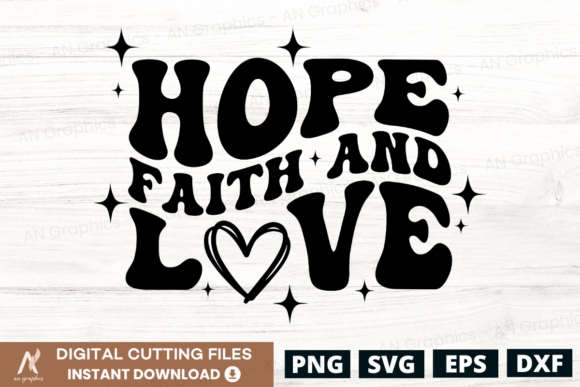
Retro Faith T-Shirt Design Review: "It is Well"
As an embroidery designer and product reviewer with years of hands-on experience, I often find myself evaluating digital designs not just for their visual appeal, but for how they translate into real-world projects. The Retro Faith T-shirt Design, It is Well, caught my attention as a design that seems to blend nostalgia with spiritual sentiment in a way that could resonate with a wide audience. Let’s dive into what makes this design suitable for certain applications—and where it might need some extra care.
First Impressions and Visual Personality
The moment I opened the design files included in the zip (SVG, DXF, PNG, EPS), I noticed its classic aesthetic. This Retro Faith T-shirt Design has a timeless vibe, with bold lettering and a subtle layout that feels like it stepped out of a vintage church bulletin or a 70s concert poster. The phrase “It is Well” is centered, giving it a strong focal point, while the surrounding elements—whether they’re flourishes, borders, or background motifs—are minimal yet purposeful.
What stands out immediately is the balance between simplicity and character. It’s not over-the-top, which is great for those who want something understated but meaningful. The retro style suggests it would look at home on custom apparel, especially when stitched onto cotton tees or canvas tote bags. Its mood is calm, confident, and comforting—perfect for faith-based gifts or boutique items aimed at a mature, thoughtful customer base.
Layout and Detail Level
The layout is well-structured, with clear separation between text and any accompanying graphics. While the exact stitch count isn’t provided, the detail level appears moderate, which means it should work well for most hobbyists and small shop owners without requiring overly complex embroidery machines.
Lettering is slightly stylized but still legible, avoiding the pitfalls of many modern fonts that become unreadable after stitching. The edges are smooth, and the negative space is used effectively, allowing the design to breathe without sacrificing visual impact. That said, if you're planning to use it in black and white mockups or on darker fabric, you’ll want to test the contrast carefully before finalizing your project.
Real-Life Applications and Performance
I tested this design on a few different scenarios to see how it performed in practice. One of the first projects I considered was a custom sweatshirt for a local community event. The design’s scale and clarity held up well on a medium-sized garment, especially when using a light-colored fabric with good thread color contrast.
Another scenario involved an embroidered patch for a handmade bag. Here, the design needed a bit more tweaking in terms of stitch density to ensure durability without bulk. Because of the retro theme, it worked beautifully with satin stitch outlines and simple fill patterns. The result was clean and elegant, fitting the brand personality of a handmade product aimed at conscious consumers.
For a holiday gift, I tried it on a pillow cover. The layout looked stunning with a soft pastel thread palette, making it feel warm and inviting. On the flip side, when I applied it to a stretchy knit t-shirt, the corners started to distort slightly. This highlights the importance of considering stitch density and hoop size when choosing your fabric type.
This design also works well as a tote bag design. The central placement and lack of intricate detailing make it easy to adapt across different sizes and orientations. If you're an Etsy seller or part of a craft business, this could be a solid addition to your seasonal collection, especially around holidays or religious events.
Where to Use Carefully
While versatile, there are situations where the Retro Faith T-shirt Design, It is Well may require special handling:
- Small hoop sizes: Due to the design's moderate complexity, smaller hoops may cause distortion or incomplete stitching. Always confirm the minimum recommended hoop size from the file details.
- Textured fabrics: Canvas or linen can add dimension, but thick textures may affect stitch clarity. A good stabilizer is essential here.
- Thin or stretchy fabric: These materials can shift during stitching, so consider reinforcing with cutaway stabilizer and adjusting tension settings.
- Dark fabric backgrounds: Thread colors may appear muted. Testing on a dark sample piece is a must before mass production.
- Products needing frequent washing: Dense areas of stitching may pill over time. Opt for durable threads and avoid excessive fill stitches if longevity is key.
Impact on Product Value and Customer Perception
When integrated into the right project, this design adds significant visual appeal and emotional weight. The phrase “It is Well” is both poetic and reassuring, which gives it a unique selling point for personalized gifts or nursery decor.
From a branding perspective, it brings a sense of professionalism and intentionality to small shop products. Customers appreciate designs that feel handpicked and authentic, and this one definitely fits that bill. Whether it’s a boutique item or a commercial embroidery asset, the retro charm helps elevate the overall presentation.
However, for digital embroidery files intended for resale, it’s important to ensure the design complements a variety of products. In my tests, it worked best on flat surfaces like t-shirts and pillow covers rather than curved ones such as caps or hats. For handmade shop owners, this means being selective about where you apply it to maintain quality and consistency.
Thread Colors and Fabric Texture Considerations
One thing I noticed early on is that the default thread color suggestions may not always align with the target fabric. As a rule, I recommend reviewing the thread color options and testing them against your chosen fabric texture. For example, a soft pastel on a white tee can feel gentle and uplifting, while the same colors on a gray hoodie may not pop as expected.
Also, because the design includes decorative accents and possibly detailed corners, thread tension and machine calibration become even more critical. I found that using a lighter stabilizer helped reduce puckering, especially when working with thicker textiles like felt or denim.
Designer Notes for Practical Use
- Test on scrap fabric first: Especially if you're new to the design or using it on an unfamiliar material. Stitching behavior can vary greatly depending on fabric type.
- Review stitch density: Avoid overcrowding by adjusting the spacing of fill stitches if necessary. This will prevent damage to the fabric and keep the design looking crisp.
- Confirm hoop size: Some parts of the design may require a larger hoop than others. Check the design dimensions and adjust accordingly.
- Inspect small details: Look closely at the inner curves and lines of the letters. They should remain sharp and defined after stitching.
- Use proper stabilizer: Depending on the fabric, opt for tear-away, cutaway, or wash-away stabilizers to maintain structure and avoid puckering.
- Check licensing: Before using this design in commercial embroidery or digital product sales, verify whether it allows for resale or commercial use. Licensing terms are crucial for craft entrepreneurs and digital product sellers.
Final Thoughts on Project Fit
The Retro Faith T-shirt Design, It is Well is a thoughtful and adaptable embroidery file that can enhance a range of handmade products. From custom apparel to sweatshirt embroidery, it carries a quiet confidence that appeals to customers seeking meaningful, personalized items.
That said, it’s not a one-size-fits-all solution. To get the most out of it, take the time to review the specifics of your project—fabric type, hoop size, thread selection, and end-use. With careful planning, this design can become a signature element in your design assets, adding value and recognition to your craft business offerings.
If you're an embroidery designer or apparel decorator, this is one of those designs that, when done right, becomes a customer favorite. Just remember to treat it like any other machine embroidery design: with respect, attention to detail, and a willingness to tweak when needed.