Faith Rhinestone Templates Design Review: A Practical Embroidery Perspective
As an embroidery designer and product reviewer with years of experience in the craft, I always approach new designs with a critical eye. Faith Rhinestone Templates Design caught my attention not just for its visual appeal but also for how it might translate into real-world embroidery projects. Let me walk you through my thoughts on this design from both a creative and technical standpoint.
First Impressions: What It Feels Like
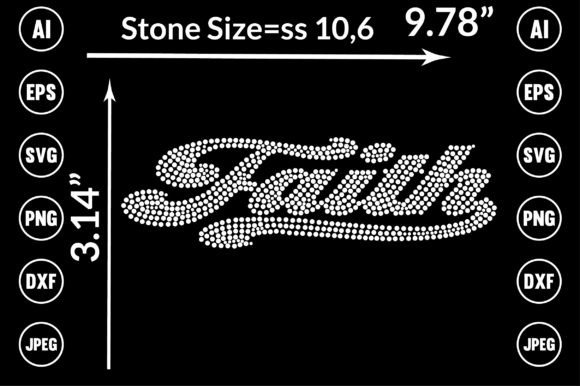
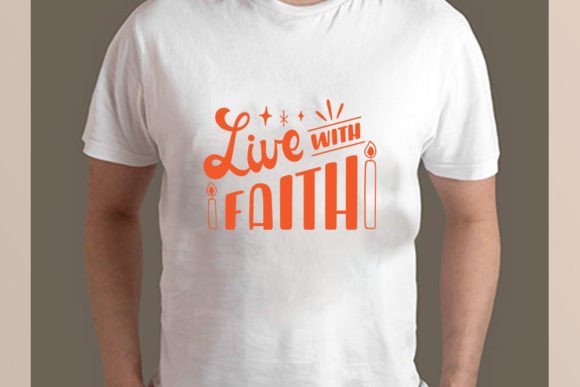
The moment I opened the SVG file (compatible with Circuit Explore and Silhouette Designer Edition) and saw Faith Rhinestone Templates Design, I knew it had potential. The layout is clean yet bold, with a clear emphasis on the central motif. This design carries a sense of elegance and charm—perfect for anything that needs to make a subtle statement without being over the top.
Visually, it has a balanced composition with defined elements that stand out even at a glance. The use of rhinestone templates suggests it's meant to be paired with sequins or metallic accents, which immediately tells me it could elevate simple apparel items like tote bags, sweatshirts, or baby clothes into something more refined. The overall mood is uplifting and versatile, fitting well within themes of faith, personal expression, and gift-giving.
Design Theme and Layout
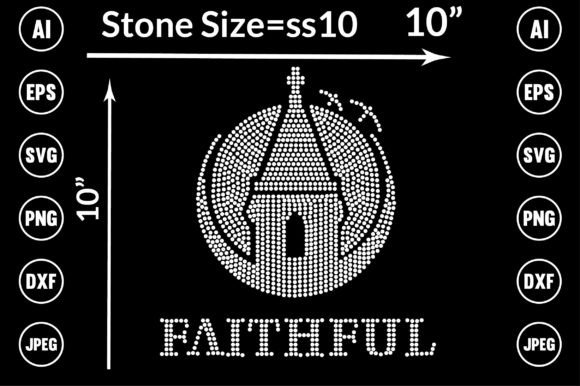
Faith Rhinestone Templates Design uses a central focal point surrounded by supporting details. The typography appears to be carefully selected, with enough space between characters to ensure readability. While the file format doesn’t specify thread colors, the contrast in the preview artwork implies that the design will work well with multiple color schemes, depending on the final fabric choice.
This kind of structure makes it ideal for a variety of embroidery projects where the design serves as a signature element rather than a background detail. It’s not overly intricate, so it won’t get lost when scaled down, but it still offers enough character to feel intentional and meaningful.
Real-World Performance in Embroidery Projects
When considering how Faith Rhinestone Templates Design would perform in actual use, I imagine applying it to a custom embroidered tote bag for a boutique line. Tote bags are a popular item among Etsy sellers and small shop owners, and this design fits right in. Its clarity and structure would look great on a cotton canvas tote, especially when using satin stitch for outlines and fill stitch for the main shape.
I’d also consider it for sweatshirt embroidery, where a little sparkle can add personality without overwhelming the garment. As long as the fabric is stable and the stabilizer is appropriate, the design should hold up well during stitching. For handmade products like aprons or pillow covers, it brings a touch of sophistication that customers appreciate, especially if they're looking for personalized gifts or holiday-themed items.
One of the best things about this design is its adaptability. Whether you're working on a custom apparel project or a commercial batch of embroidered patches, the template-based nature allows for easy customization. You can switch out colors, adjust placement, or even combine it with other motifs to create unique looks tailored to your brand or customer preferences.
Where to Use With Caution
While Faith Rhinestone Templates Design is versatile, there are some scenarios where extra care is needed. If you plan to use it on small hoop sizes, you’ll need to scale it appropriately. Some of the finer details may become too delicate if shrunk too much, risking breakage or distortion during stitching.
- Textured fabrics like denim or flannel can affect how the design looks after embroidery. Always test stitch before committing to a large order.
- On thin or stretchy fabrics, such as those used in baby clothes, the design might require additional stabilizing techniques to prevent puckering or shifting.
- For dark fabric backgrounds, thread color contrast becomes crucial. The design’s appearance may vary significantly depending on the shade of the base material.
- If you’re planning to embroider on curved surfaces like caps or hats, remember that the shape of the surface can distort the design. You may need to modify the layout or choose a different area of application.
- Also, keep an eye on stitch density. Dense areas can lead to stiffness or visibility issues, especially on lightweight garments or products that need frequent washing.
Impact on Visual Appeal and Branding
From a visual perspective, Faith Rhinestone Templates Design adds a layer of refinement to any project. When properly stitched, it can serve as a standout feature on a personalized gift or as part of a cohesive collection for a craft business. The rhinestone aspect invites creativity—it could be applied using actual rhinestones or simulated with glitter or metallic threads.
In terms of product value, adding this design to a handmade item instantly increases perceived quality. Customers tend to respond positively to well-executed embroidery, particularly when it conveys a message of faith or personal meaning. For commercial embroidery purposes, it helps maintain brand consistency if you're incorporating similar styles across your product line.
It’s also worth noting how this design affects customer trust. Clean, professional-looking embroidery signals attention to detail and craftsmanship. That’s why it works so well for small shop product lines or handmade presentations aimed at niche markets like nursery decor or wedding gifts.
Design Notes for Maximum Success
To ensure the best results when using Faith Rhinestone Templates Design, here are some practical tips:
- Test stitch first: Always try the design on scrap fabric before applying it to your final product. This helps identify any potential issues with stitch flow or tension.
- Check thread color contrast: Choose thread colors that pop against your chosen fabric. Consider using a black-and-white mockup to assess visibility before purchasing threads.
- Review stitch density: Make sure the design isn’t too dense, especially if you're using it on thin materials or planning to layer it with other embroidery elements.
- Confirm hoop size: Hoop compatibility isn’t listed, so double-check based on your machine specs. Oversized hoops can cause unnecessary strain on the design.
- Inspect small details: If the design includes tiny lettering or fine outlines, ensure your machine and settings can handle them accurately.
- Use proper stabilizer: Depending on your fabric type, select a stabilizer that prevents distortion and ensures smooth stitch formation.
- Compare light and dark backgrounds: See how the design performs visually on contrasting fabrics. This can guide your decision for future product listings.
- Confirm licensing: Before selling finished items or digital embroidery files, verify the license terms associated with Faith Rhinestone Templates Design. Not all designs allow commercial use without permission.
Project Ideas and Compatibility
Here are a few project ideas where Faith Rhinestone Templates Design shines:
- Embroidered patch: Apply it as a standalone patch on denim jackets, backpacks, or felt accessories. The design’s centered focus makes it ideal for this use.
- Tote bag design: Pair it with a minimalist logo or name script for a boutique-ready look. The added sparkle from rhinestones elevates the aesthetic.
- Baby embroidery: If simplified, it could work beautifully on onesies or bibs, especially for family-themed or religious collections.
- Holiday embroidery: Add seasonal text around the design for a festive twist. Think Christmas cards, stockings, or gift tags.
- Printable mockups: If you’re an Etsy seller or digital product creator, pair the design with high-quality mockups to showcase your offerings effectively.
Final Thoughts for Makers and Sellers
After reviewing Faith Rhinestone Templates Design in depth, I believe it’s a solid addition to any embroidery library. It’s designed with thoughtfulness and versatility in mind, making it suitable for both machine embroidery designs and applique-style applications. However, like any good design, its success depends on how it’s applied.
As someone who values real project use, I encourage you to take a hands-on approach. Experiment with different placements, thread choices, and fabric types. Pay close attention to design assets that don’t come with full specifications, like stitch count or exact dimensions. In such cases, always prioritize testing to avoid surprises later on.
Whether you're creating handmade products for your own shop or preparing custom apparel for clients, this design can help you deliver a polished, memorable result. Just remember to tailor it to the specific needs of each project, and you’ll be well on your way to crafting something truly special.